

Popular Searches

Zoo news – April 2026
April, 2026
From new arrivals, accreditations and a multitude of Easter festivities, the Zoo team had a busy month in April
We’re Buzzing! – Emerald Park get accreditation as a Business Partner of the All-Ireland Pollinator Plan (AIPP) for another 4 years!!
Things we do to support the AIPP:
FIT (flower-insect timed) Counts
Engagement
Bug hotels
Wildflower patches – In Emerald Park we have multiple areas in which we allow our native pollinators to carry out their work undisturbed.
This achievement is a reflection of the collective effort of many teams
the following teams in particular:
- D&L team for the ongoing monitoring of invertebrates on site.
- Grounds & Landscaping for the maintenance of essential wild areas.The Zookeeping team for the installation of diversity protection features, such as bug hotels, within animal enclosures.
- The AIPP accreditation is a highly recognised mark that many of our guests are familiar with.It represents another fantastic step forward in our sustainability and conservation efforts and through the protection and encouragement of local biodiversity, strengthens our connection with the wider community.
Can you sport some of the areas that we have managed for pollinators in the park?
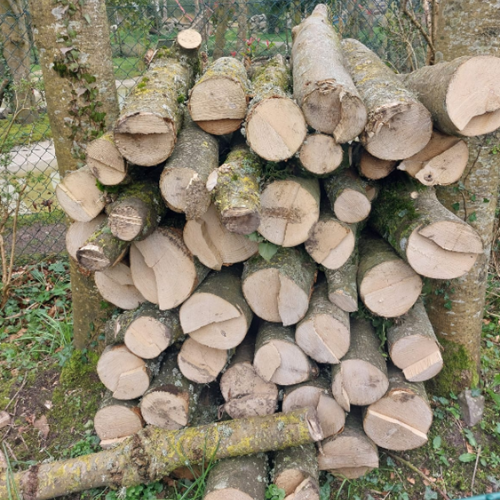
These may look like a stack of logs, but they are essential areas for invertebrates such as beetles and spiders. Neatly Stacked logs create crevices for small animals like amphibians and invertebrates. These piles are stable and can last longer, making them particularly appealing for species needing secure hiding spots. Organized log piles are ideal for structured gardens and for providing long-term shelter. Simply piled logs, branches, and twigs without a specific structure is also vital for wildlife. This mimics a natural forest floor and is perfect for beetles, spiders, and ground-dwelling creatures that prefer irregular environments. Rotting wood also provides food for detritivores and fungi, both vital parts of ecosystems.
How you can get involved too
The National Biodiversity Data Centre works to make biodiversity data and information more freely available to better understand and assist the protection of Ireland’s biodiversity. An essential part of this work is the role of our citizen scientist.
Citizen science is data collection by members of the public to help answer research questions. In addition to supporting extensive data collection, public participation, and well-informed conservation action, citizen science is a valuable instrument for monitoring biodiversity and fostering a more ecologically conscious society.
Collaboration for education! – Discovery and Learning Manager, Leah, hosts teacher training workshop in Dublin Zoo along with other BIAZA members, Galway Alanticquarium, Dublin Zoo and Curam.
On Saturday the 21st March D&L manager hosted a workshop for OIDE, a teacher training organisation, along with other BIAZA members and Curam. Curam is a company resourcing teachers, leaders and trusts, providing vital resources to those teaching the next generation. The theme of this year’s workshop was ‘Games and Gains’ and the team worked together to show teachers some different ways of teaching students’ areas on the STEAM curriculum.
Hopping great fun! – Easter in the Zoo
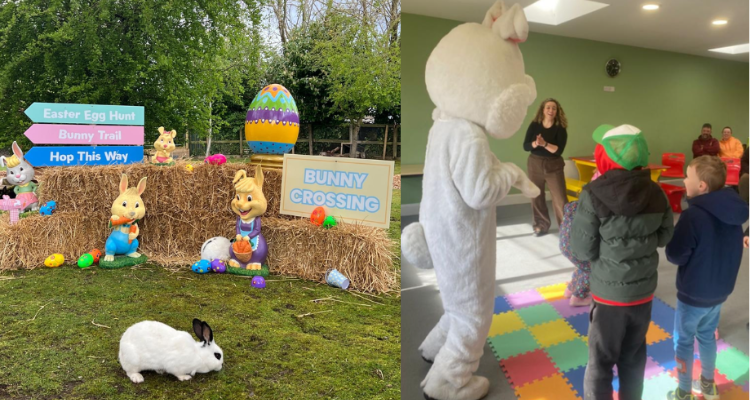
We wish all our lovely guests had an egg-cellent Easter, but we know our furry and feathered friends did. The Zoo was celebrating in the festivities too. At 13:00 and 15:00 each day over the Hop & Hunt Event, our Discovery & Learning team gave educational talks on our British Giant Rabbits, celebrating the rabbits as a symbol of the festivities with fun filled facts. Our British Giant Rabbits were just one of the animals getting Easter themed enrichment. Their favourite treats were hidden amongst straw inside some Easter baskets. This type of enrichment is incredibly important for herbivores such as rabbits as it mimics natural foraging behaviour. It also encourages the rabbit to use their sensitive whiskers to locate their food.
Little Bunnies
This year marked the start of a new event for Easter. Our very successful Little Bunnies Event began, hosted by both our Events and Entertainment and our Discovery and Learning team. This event catered to a much younger group of children. Toddlers and young children attended a bunny themed story time, followed by games and even a dance party with the Easter Bunny themselves! Our little minds got to meet some of our British Giant Rabbits to finish the day.
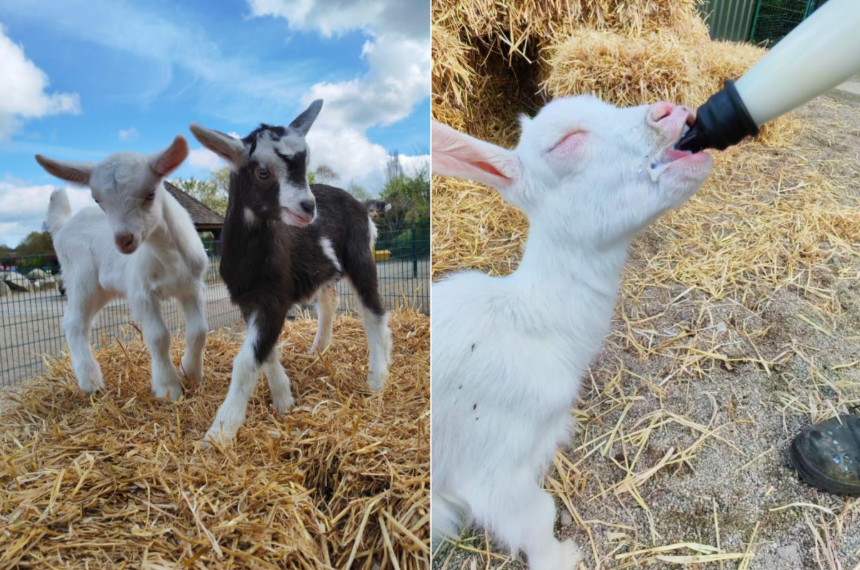
New Arrivals – New kids on the block!
This month we welcomed 10 baby goats to the zoo. As these kids are so young, they are bottle fed, which ensures they are getting all their nutrients to grow. It is important to make sure they are fed enough so our Zookeepers are feeding them multiple times a
day. Goats are a social species so it is important to keep them together as they grow up so they can form the very necessary bonds with each other.
Goats are ruminants with a four-chambered stomach, allowing them to digest difficult plants like twigs and tough leaves. This makes them browsers over grazers as they wouldn’t naturally be eating much grass. They can detect predators thanks to their almost 320-degree eyesight, which is provided by their rectangular pupils. Both male and female goats can have horns, which they use for protection and controlling body temperature. They are also intelligent and can navigate goat agility courses, learn names, and react to treats.
Come by our Petting Farm to meet these very adorable arrivals!
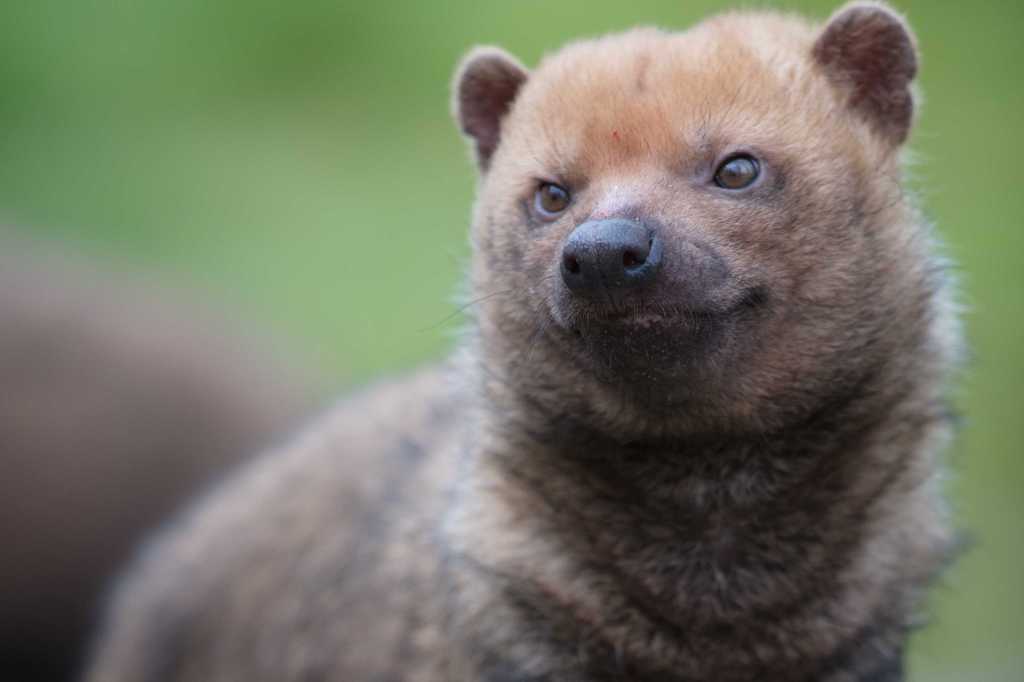
Brave little Pups – Our bush dog pups are starting to venture out of the nest box
On January 20th, 2026, Missy gave birth to 2 beautiful pups. Sansa and Arya have recently started venturing into the enclosure. Bush dogs (Speothos venaticus) have their pups in dens where they have safety from the dangers outside. They are also much darker in colour, born nearly fully black. This allows them to blend into the shadows of the thick forests they live in. As bush dogs are a social species, Sansa and Arya will learn from their sisters and parents’ valuable skills such as hunting and swimming as bush dogs are excellent swimmers.
Bush dogs are Near Threatened in the wild. Increasing habitat loss, illegal poaching of prey species and exposure to disease are some of the challenges this species face, proving the importance of breeding programmes. Our Bush dogs are part of the EAZA Ex-situ Programme (EEP). This means that their population is managed to ensure that there are heathy individuals within EAZA member zoos and should there be the requirement of reintroductions, to the wild, in the future.
Come visit our Bush Dogs to get a glimpse of these adorable sisters.
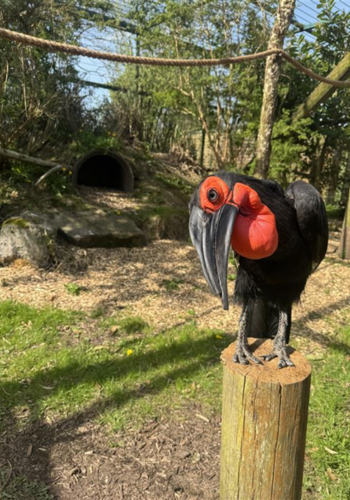
New Enclosure – Albert, our Southern Ground Hornbill is enjoying his new enclosure!
Albert is a Southern Ground Hornbill (Bucorvus leadbeateri) and has recently moved enclosures. His new enclosure is beside our World of Raptors, and he is absolutely loving it. His new enclosure gives him more space to fly allowing him to use his incredible flight muscles. Although Southern Ground Hornbills spend most of their life on the ground, they are very powerful at flying. He can fly up to 18 miles an hour and has an impressive wingspan that reaches roughly four feet across.
Come and visit Albert on your way to our World of Raptors display!
New Enclosure – Dora and Kumo, our Binturongs are also enjoying their new enclosure!
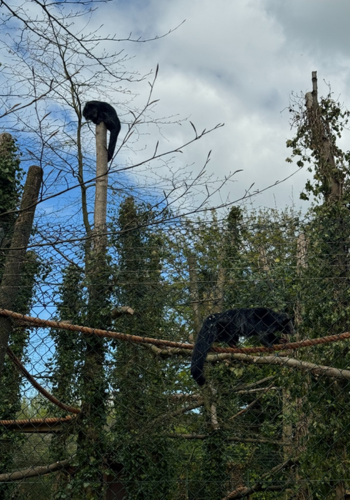
Another species loving their new enclosure is our Binturongs (Arctictis binturong). Dora and Kumo have moved enclosures with their new home beside our education centre. This new enclosure encouraged both our binturongs to climb more as they now have more space to do so. Binturongs are an arboreal species, meaning they spend most of their life in the trees of the dense forest they live in. Binturongs are one of only two carnivorous species with a prehensile tail, meaning they can use their long tail as another limb to hold onto tree branches while they sleep.
Come and visit our incredible Binturongs to see them in their new home.
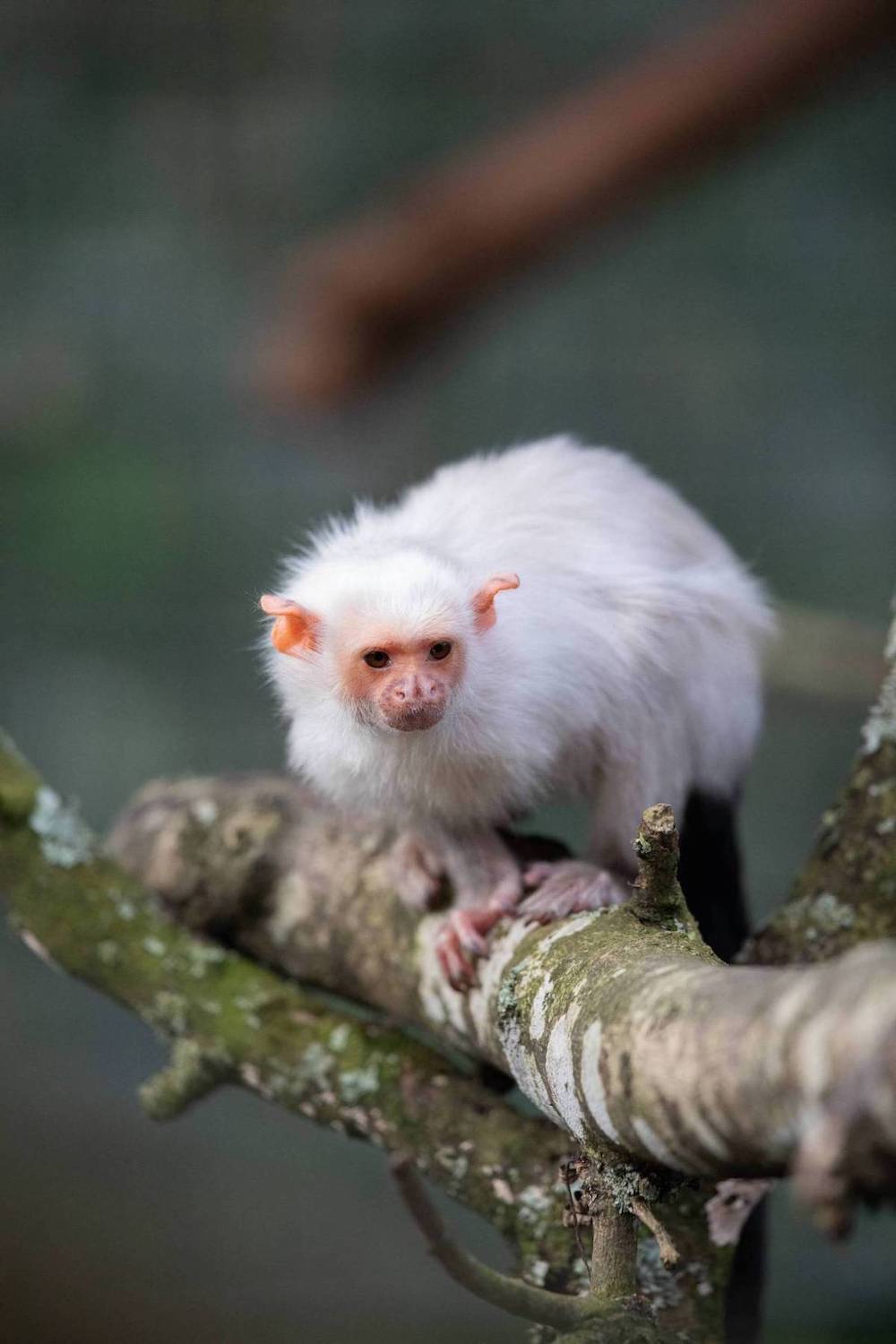
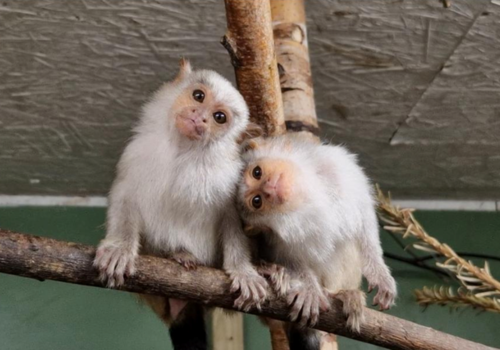
Monkeying around – Our Silvery Marmoset babies born December have been named!
On December 12th, 2025, Phil and Lil, brother and sister were born to mother Honey and father Geralt. Our most recent arrival brings our silvery marmoset family up to 6! Phil and Lil are already looking up to their older brothers Dante and Valentino.
Silvery marmosets are one of the smallest New World monkeys weighing only roughly 300g. Silvery marmosets live in social groups in the Amazon Basin in Northern Brazil. They are also arboreal meaning they spend their lives in trees in the rainforests they live in. They even have modified claws to get nutrients from trees such as resin or sap.
Spring has sprung! – How Irish nature is transforming this spring
April was a busy month for Irish wildlife. We are entering breeding season for many species such as the common lizard, Irelands only native reptile. The common lizard (Zootoca vivipara) is one of very few reptiles to give birth to live young. Our seabirds are also heading into breeding season with Gannets, Puffins and Gulls some of the many species flocking to the coast and sea cliffs to nest.
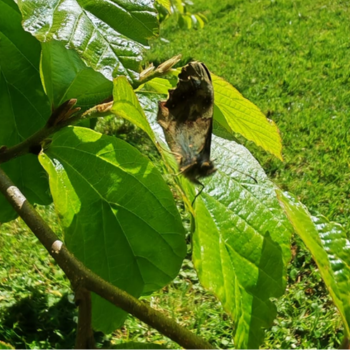
April also marks the start of pollination season. Bumblebee queens are emerging from hibernation and beginning to forage and the first butterflies of the year are emerging from their Chrysalis. In our pollinator counts this month, the most common butterfly spotted in Emerald Park was the Speckled Wood (Pararge aegeria). This is one of Ireland most common butterflies, recognisable from the dark brown colour and yellow or cream spots on the wings.
Come back next month to see what Irish Wildlife is getting up to in May
Thanks for reading. Check back next month for more zoo updates!
The Emerald Park Zoo Team