

Popular Searches

Zoo news – June 2026
June, 2026
From Love Your Zoo Week to Pride celebrations and new arrivals, the zoo had a busy but exciting month this June!
Love your Zoo Week – celebrating all the incredible people that make conservation happen in 202
From 28th May to the 1st of June, we celebrated LYZ week. The theme of this year’s event was ‘In our Nature’ – the staff, volunteers and communities who support zoos and aquariums and inspire the next generation of conservationists. We celebrated with activities at our Activity Table such as a scavenger hunt around the Zoo, and a certificate in our Education Centre for those who completed it. We also had fun filled games and information about our conservation partners here in Emerald Park.
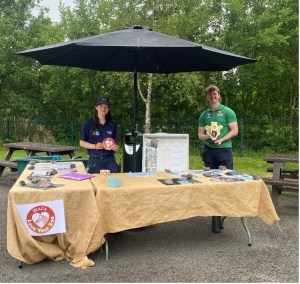
Our Activity Table with D&L staff Charlotte (Team Lead) and Logan – Micheal (Discovery and Learning)
As an accredited Zoo, we take part in multiple conservation partnerships. One is the Wild Cat Conservation Alliance, an incredible community of people who fund in-situ conservation of Amur Leopards and Tigers in their native habitats. Other partnerships include the Macaca Nigra project, an initiative educating the public about the plight of the Sulawesi Crested Macaque, and how to protect them in their native habitats, and the All-Ireland Pollinator Plan, a citizen science led initiative monitoring our native pollinators here in Ireland.
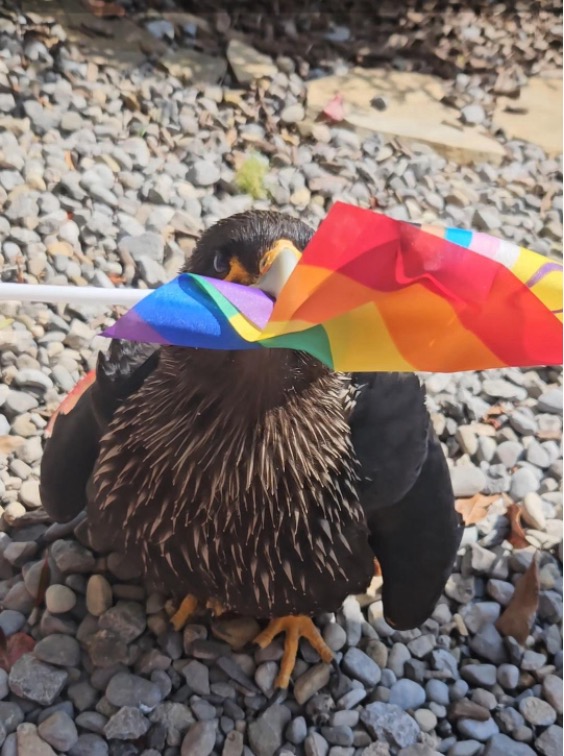
Pride weekend kicked off at the end of June with colour, games, fun and our favourite furry and feathered friends!
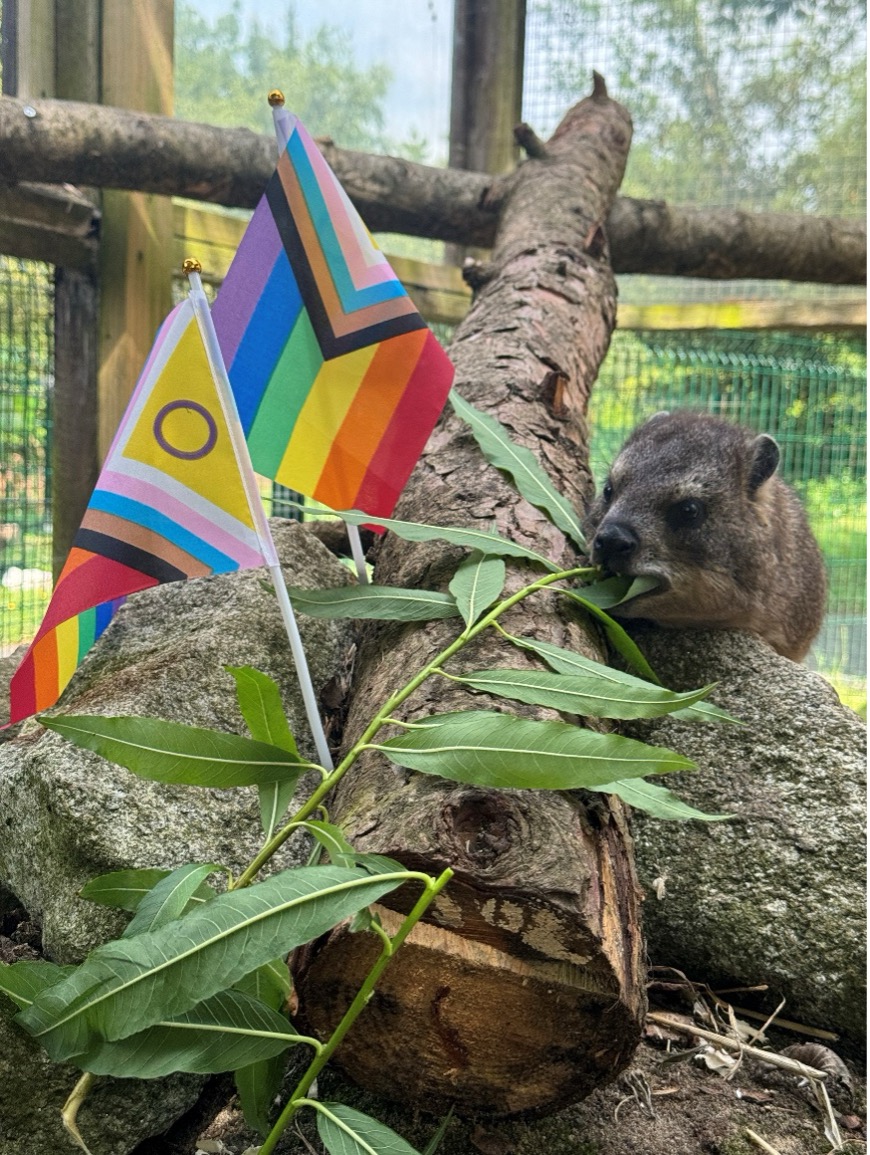
On the final weekend of the month, we celebrated inclusivity and love in the park. On the 27th and 28th of June we celebrated Pride. It is important to know that humans are far from the only species to form same sex pairs. LGBTQIA+ behaviour has been seen in nearly 1,500 species around the world.
To celebrate, our Discovery and Learning team set up an event table with games, a colour quest around the park and a certificate in the Education Centre for those who completed it. Our Education Centre was filled with fun facts and games too, with lions hidden around the room for guests to “Find the Pride”. Our Zookeepers prepared colourful enrichment and feeds for the animals that were given throughout the day, and a special additional talk at our Squirrel Monkeys. Our Squirrel Monkeys are a bachelor group, and this talk highlighted the different kinds of bonds throughout the animal kingdom.
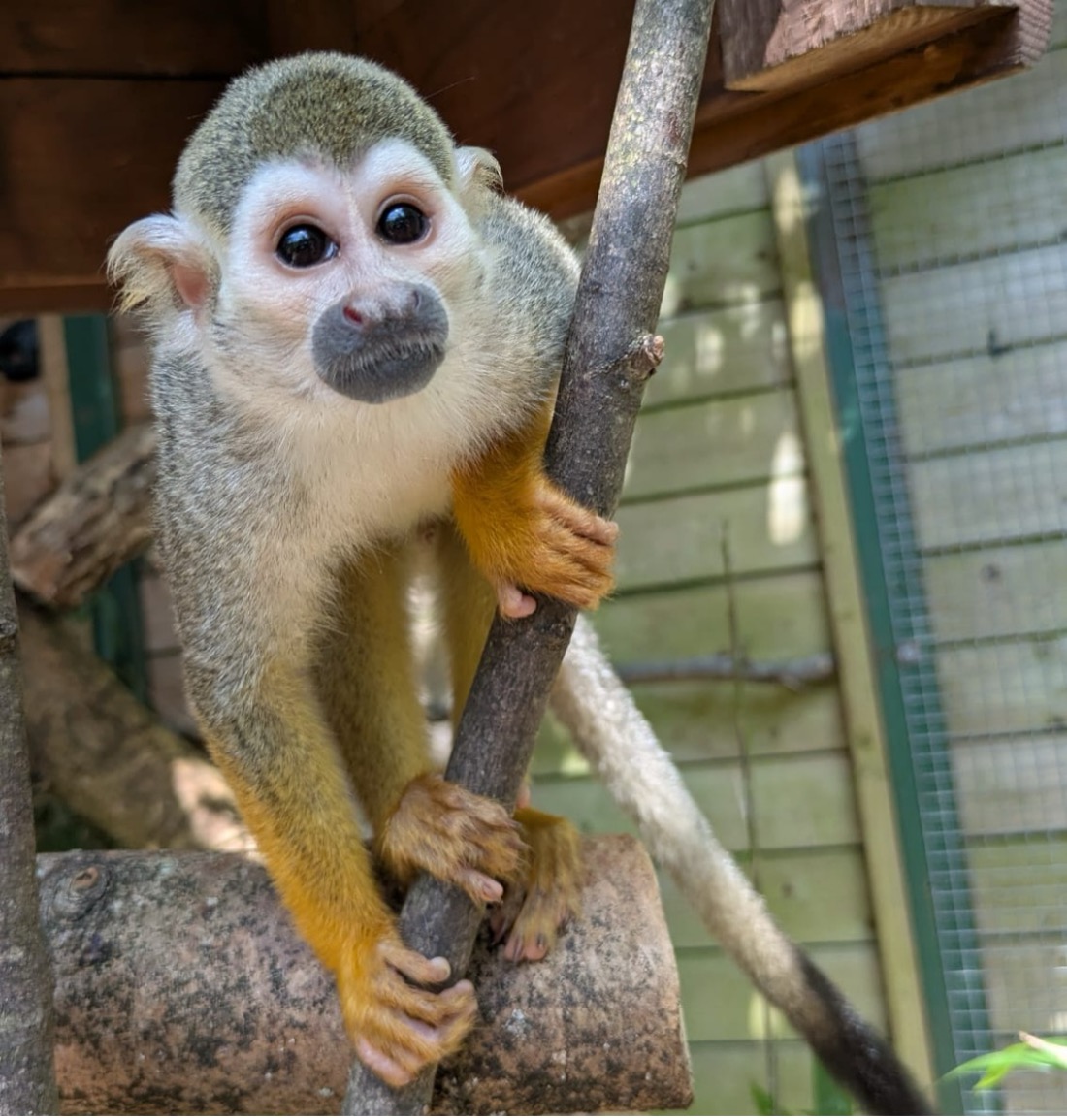
Celebrating the arrival of our new Guianan Squirrel monkey (Saimiri sciureus), Luc
We are very pleased to announce the arrival of our Newest Guianan Squirrel monkey (Saimiri sciureus), Luca. Luca was born in October 2023 in Colchester Zoo and arrived in Emerald Park in late April. He has now completed his quarantine and has been successfully introduced to our existing males Zip, Tom, Meeko and Lupínek.
Once considered the Common Squirrel Monkey, the species has since branched off into 3 distinct species, Guianan squirrel monkey (S. scuireus), Humboldt’s squirrel monkey (S. cassiquiarensis) and Collins’ squirrel monkey (S. collinsi). These social primates live in very large sgroups of up to 300, with most groups averaging at around 50 – 75 individuals in the forests and rainforests throughout French Guiana, as well as Suriname, the southeastern region of Guyana, and northwestern Brazil north of the Amazon River and east of the River Branco.
Come and Visit our Squirrel Monkeys to see Luca in his new home.
From the end of May we returned with our Primary School Tours, including our new Little Leopards tours
This month we were very pleased to welcome many primary schools back to the park for our Zoo Tours, guided by our Discovery and Learning staff. This year we launched a new type of tour, our Little Leopards tour, catered to Junior Infants to 1st Class students. We also carried out Guided tours for all Primary School Students.
These students got a special tour of the Zoo, learning about the animal adaptations of our species alongside fun facts and information about diet and habitats too!
If you are a teacher looking for a guided tour for your students next June, head over to our education section of the website!
Photo of Bira, our Amur Tiger (Panthera Tigris) – Lynn ( Discovery and Learning)
Lost Valley – Land of Dinosaurs opened its doors to unveil new theming, new rides and new prehistoric pals
At the beginning of June, we were transported millions of years into the past and walked alongside our prehistoric pals with the opening of our New Land, Lost Valley – Land of Dinosaurs.
You may be familiar with our beloved family friendly rollercoaster Dino Dash, you may not have seen our very exciting new ride Swingasaurus yet. Now is the time to book a ticket to see the new land and for the bravest of adventurers, even meet some of these dinosaurs up close with meet and greets with your favourite dinosaurs like our Tyrannosaurus Rex and Triceratops.
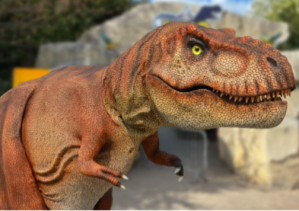
Photo of Dex the Tyrannosaurus rex – one of the dinosaurs found in our Lost Valley
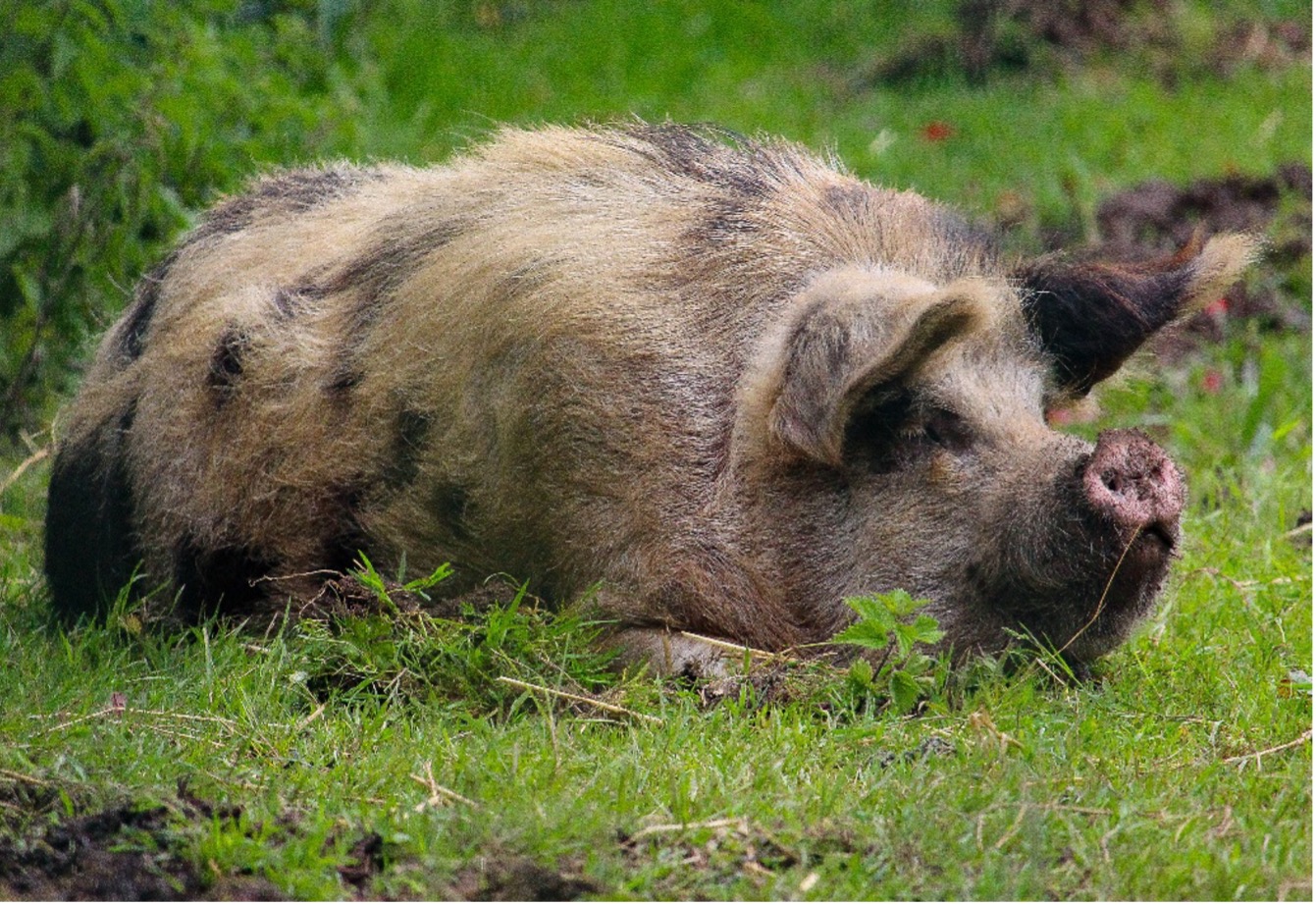
Welcoming the arrival of our two large domestic pigs – Wilma and Betty
This month we welcomed the arrival of our two new domestic pigs (Sus domesticus), Wilma and Betty. Domestic pigs originate from the Eurasian wild boar (Sus scrofa.) They were first domesticated almost 12,000 years ago! Wild boars are native to Asia, Europe, and parts of northern Africa, but have been introduced to all continents except Antarctica. Although these girls have only joined our Zoo, their training is already coming along incredibly due to how intelligent they are. They can already sit and wait patiently for their dinner!
You may see Betty and Wilma rolling in the mud this summer, but pigs are actually very clean animals with their sleeping eating and bathroom quarters in separate locations. Rolling around in the mud also helps to keep pigs from overheating, providing a natural suncream as they have so few sweat glands.
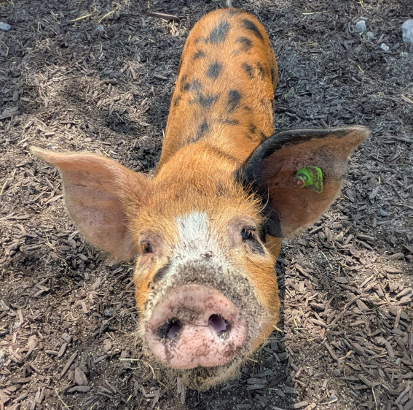
Welcoming the arrival of our Oxford Sandy and Black Piglets!
Betty and Wilma are not the only Pigs that have arrived at the park. 4 male Oxford Sandy and Black Piglets (Sus domesticus) are settled into their new homes right beside the Petting Farm. Their names are Kian, Mark, Nicky and Shane.
The Oxford Sandy & Black Pigs is one of the oldest British pig breeds. It has existed for 200-300 years. These Pigs have reached crisis point at least twice in the past when numbers dropped so low that extinction was a real possibility. The Breed Society formed in 1985 with only 29 herds in the first book, without them and this intervention, this breed would have fully died out.
Be careful with Feeding wild animals this summer – You may make them sick!
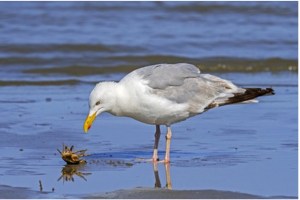
Just because we enjoy goujons and chips from the Argentinian Grill doesn’t mean our native birds do, nor is it part of their natural diet. Gulls eat a variety of food such as seeds, berries, fish insects and carrion. Not only can feeding birds like crows and gulls human food make them sick, but it can also encourage them to return to the area repeatedly due to their intelligence. It is much kinder to not feed them anything ratherthem feeding them food that may cause illness.
Come back next month to see what the Zoo got up to in July!