Popular Searches

Zoo news – September 2026
September was another busy month here at Emerald Park. From celebrating vultures to educating young minds to participating in research. Continue to read all about it!
September means only one thing – Schools are back and so are the Emerald Park education packages!
With September starting, we welcomed all our lovely schools back to our park for our education packages. This month we taught a variety of packages such as Ecology, Business, Geography and Sustainability.
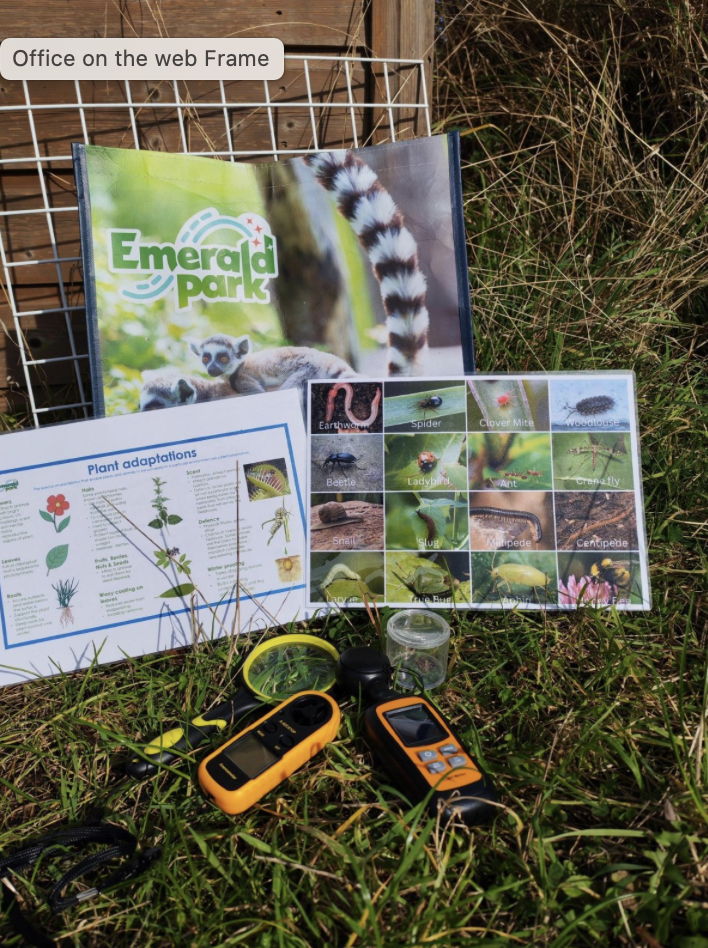
Our Ecology package includes a classroom session and two field sessions covering grassland flora and fauna. Perfect for students studying biology or science as they get a chance to use specialised equipment. Our Sustainability package covers a classroom session and a tour around the Zoo and Park to visit all the sustainability changes we have made over the years and the importance of modern-day zoos in global conservation efforts.
Our Geography package includes a classroom session covering one of the classroom-based assessments with topics such as business processes, sustainability and economic activities. The students are then taken on a tour to visit these topics in person. The final package taught this year was our Business Package, from junior cert to LCVP students to leaving cert, all ages joined us over September. Business is one of our most popular packages covering a classroom session about the success of Emerald Park and how we got to this point. The students then get a tour of some topics from the presentation, to see in person.
If you are a teacher looking to book one of our many available education packages, contact us at education@emeraldpark.ie!
Photo – an example of some of the equipment our Ecology students can be expected to work with in our educational packages
Celebrating International Vulture Awareness Day with style as we partner with the Horstmann Trust, celebrating this phenomenal species.
We started off the month with a flying start with the celebration of International Vulture Awareness Day (IVAD) on the 5th and 6th of September! This is an internationally recognised event to honour and raise awareness about this unique avian group and the crucial ecosystem services provided by them!
Across the world there are 23 species of vultures, six of these species live right here in Emerald Park! Vultures are primarily scavengers, meaning that their diet mainly consists of carrion, this means they play an extra special role in ecosystem functioning. Vultures are the clean-up crew within nature, and their highly specialised physiology allows for them to be extremely successful in this role.
A vultures’ stomach acid pH is comparable to the acidity of car battery acid meaning that they have the capability to destroy pathogenic bacteria that may be associated with carcasses such as rabies, anthrax or even botulism! This not only stops the disease spread but their quick cleanup prevents other animals from contracting diseases at an overcrowded carcass. Vultures themselves are also a very sanitary group of animals, using both the acidity in their faeces and the UV rays of the sun to remove bacteria from their bodies. Their bald heads even allow them to remain clean while inserting their heads into carcasses. They not only keep our ecosystem clean but also our atmosphere, through reducing greenhouse gases through their consumption of carrion. It is estimated that they prevent the annual release of up to 60.7 Tg of CO2. This is equivalent to the emissions of 12-13 million cars each year!
Unfortunately, vultures have faced global persecution, particularly in the old world, where in some areas, vultures have declined by up to 99.7%. According to the IUCN, 14 of the 23 vulture’s species are at risk with 9 listed as critically endangered. Vultures face threats such as poisoning (intentional and non-intentional), illegal killing, habitat loss and collisions with human infrastructure such as powerlines.
To celebrate IVAD, we set up a vulture themed activity table displaying vulture pellets, skulls and a ‘scavenger’ hunt across the park to learn more about this amazing species. We also had two additional zoo talks at our king vultures and our mixed aviary which is the home of both the white headed and the white backed vultures in the park. At these talks we were joined by our keepers who provided enrichment and carcass feeds for the vultures, offering an exciting opportunity to see the vultures up close and learn from their expert care team. Our world of raptors displays also paid special attention to vultures, to let people know what an essential species they are!
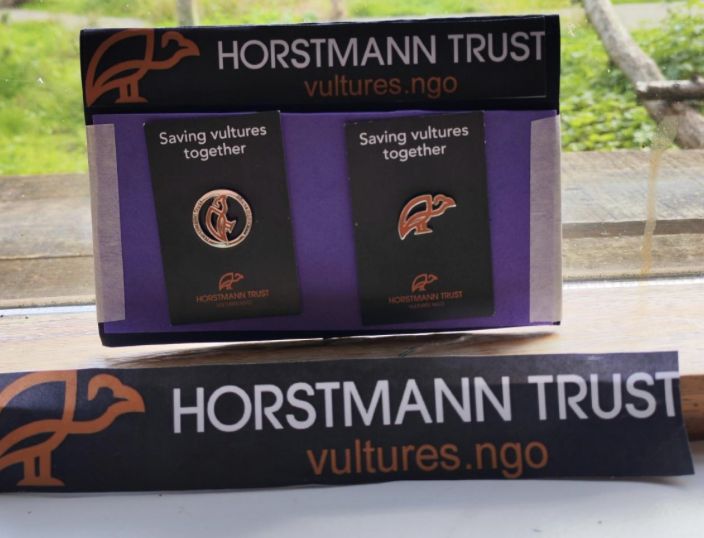
This year we were also lucky enough to partner with the Horstmann Trust, an organisation geared towards vulture conservation. Their focus is on conservation breeding and scientific research into their health and incubation. The trust sent us a wonderful sign and vulture pins that we were able to sell to guests with all proceeds going towards their organisation. These pins will be available to purchase in our biofacts centre for the next few weeks so be sure to come and check them out! You can wear yours proudly and support these amazing birds!
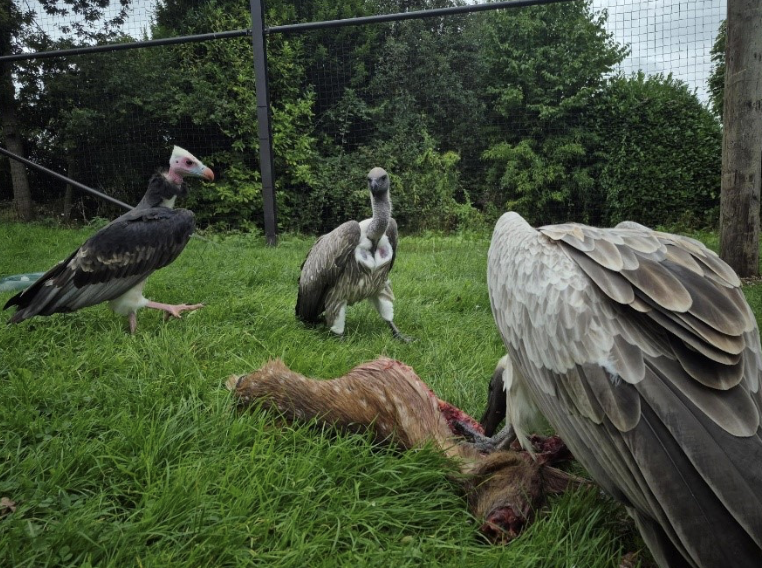
Photo 1: An example of the wonderful pins we have available to purchase in our Education Centre. For more information about the Horstmann Trust and the amazing work they do, check out their website at vultures.ngo!
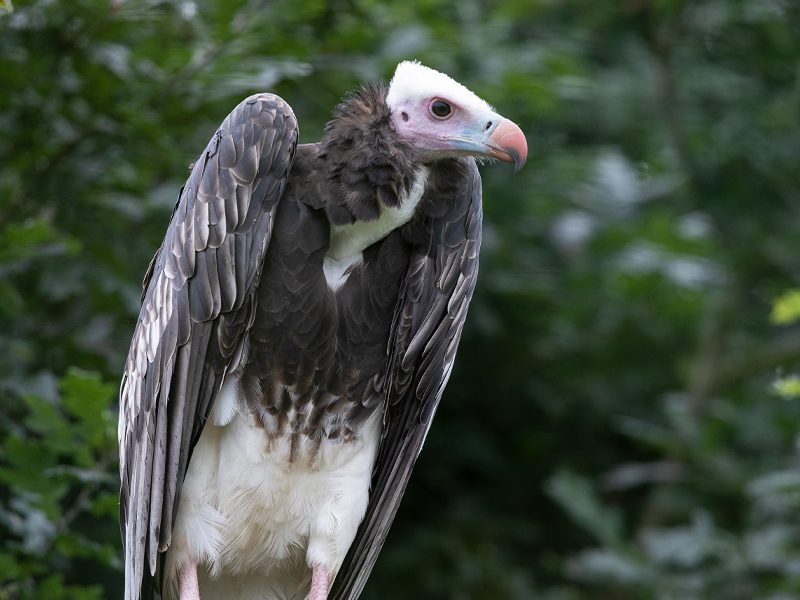
Photo 3: Two of our vulture species – Our male White-headed vulture (left) Romeo and both of our White Backed Vultures, our male Axel (left) and female Bane (right). – Darragh

Welcoming back the incredible Barbara Heindenreich to consult our zookeepers with our animal training.
Towards the end of September, we welcomed the incredible Barbara Heindenreich back to the Emerald Park Zoo. Barbara is an animal training and behaviour consultant known for her work with exotic species and wildlife. She lectures and consults worldwide working with zoos, universities, veterinary professionals, private facilities, the companion animal community, and conservation projects. She has worked onsite with over 90 facilities in 30 countries, helping countless more virtually. She is an adjunct clinical instructor at Texas A&M University. She has produced hundreds of instructional courses, authored two books, and guest-edited and contributed to four veterinary textbooks.
Barbara worked with many of our animals in the time she was here, one of them are our ring-tailed lemurs (lemur catta). One of the things our lemurs were being trained to do is to stand on their weighing scales. What may seem like a simple task to humans can actually be very daunting for a wild animal. Unfamiliar ground makes them suspicious, as it could signify danger. Wild animals do not trust humans so convincing them that it poses no threat requires training. This means incentivising any interaction with the weighing scales and then gradually building it up to standing unaccompanied on the scales.
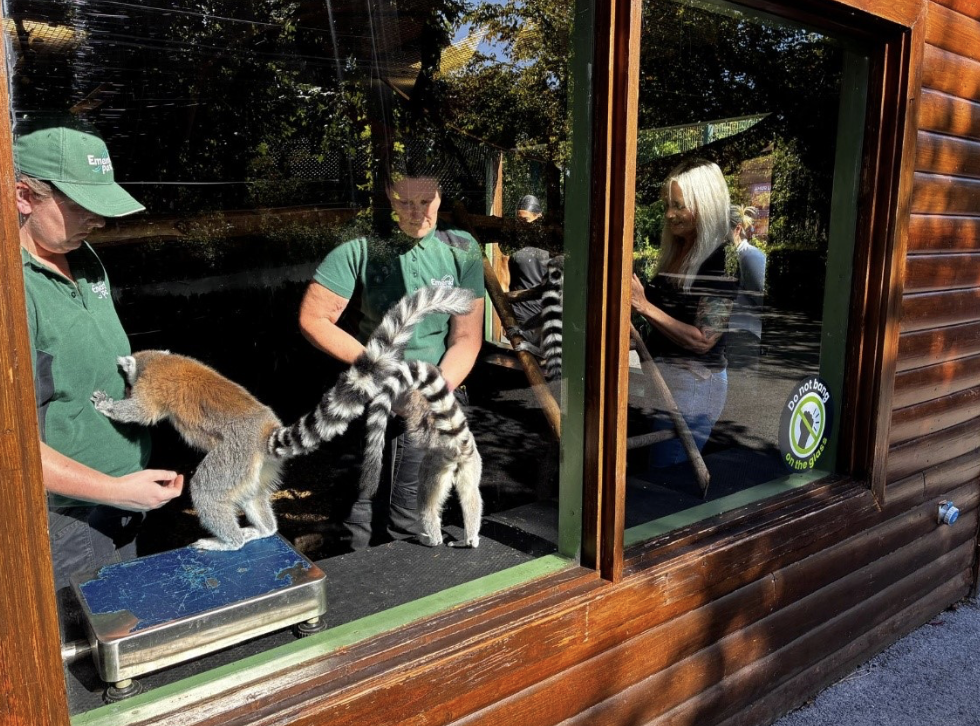
At Emerald Park we use positive reinforcement. This means rewarding a behaviour we want to see, like standing on the scales, with a high value reward like a treat our lemurs really love. This makes what may be a daunting task into a fun game our animals are choosing to participate in. The main goal of training is giving our animals choice and making vital tasks like recording weight, a calm and fun experience.
Why do we even need to know how much an animal weighs anyway? It is actually very important for us to know. Knowing how much an animal weighs helps us catch any inconsistencies before it becomes a problem. If one of our lemurs, for example, starts dropping weight but visibly looks healthy, this could signify a serious health issue before it is visible and allows us to act early. Another reason that weights are important is for medication. We calculate how much medication to give an animal based off the animal’s weight. This ensures each individual gets the correct dose which is crucial in cases like anaesthetic.
For more information on training, come to one of our Zoo talks or ask one of our Zoo team any questions you may have. We’re always happy to help!
Photo – A training session where the lemurs are learning to stand on the weighing scales on their own. Pictured left to right is Suzie, one of our senior keepers, Yvonne one of our zookeepers and Barbara assisting in the training session. – Deputy Zoo Manager, Monica
On 30th of September, our Zoo team were invited to hear the wonderful Saskia Verbruggen’s Research Project on birds of prey’s involvement in displays such as our World of Raptors. Three birds from Emerald Park took part in this study.
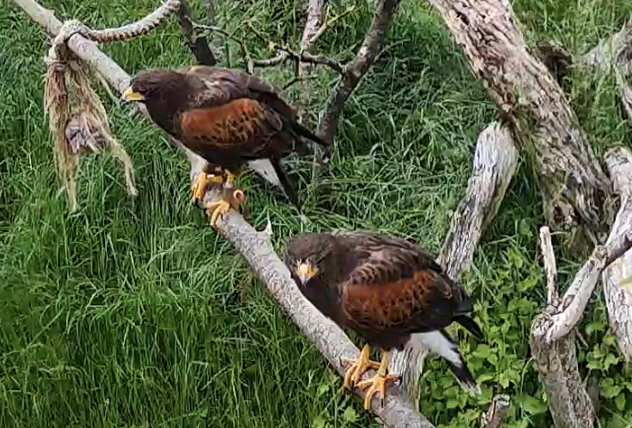
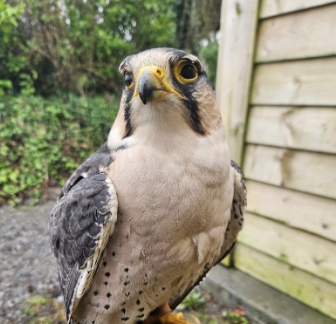
This month, we had the honour of listening to the wonderful Saskia Verbruggen present her research on birds of prey’s involvement in displays. The three pillars of good modern-day zoos are conservation, education and research. These research projects are an incredible way to gain information and use this information to better our animal husbandry and improve welfare in Emerald Park and in Zoos around the world. As part of Saskias research, she studied three birds from Emerald Park, Tony and Alan our Harris Hawk (Parabuteo unicinctus) brothers and Cleo our Lanner Falcon (Falco biarmicus).
We know visitors like displays such as our World of Raptors, but how do birds feel about participating? Since displays have the potential to influence bird welfare, Saskia’s study looked at the behaviour of birds on display days versus no-display days and before versus after displays. Three birds from Emerald Park and six birds from Kolmården Djurpark in Sweden, were involved in the study. Changes in behaviour were used to determine the welfare of these display birds.
Overall, the birds showed an increase in active and natural behaviours, like vigilance, moving and preening on display days, compared to no-display days, indicating the birds are happy and content. However, abnormal behaviours, like pacing also increased on display days. Since these behaviours decreased after the display, it seems that these behaviours were mainly anticipatory. Anticipatory behaviour can be positive, since a bird shows this behaviour when it is looking forward to the display. There seemed to be a difference in results between different species. Some species showed more anticipatory behaviours and others showed more active and natural behaviour in the form of vigilance and foraging.
In summation,her study suggests that bird displays can have a neutral to positive effect on bird welfare, but it showed also that it depends on bird species or even individuals. This research will help us advance our interactions with our birds and our husbandry routines to ensure our birds are enjoying displays as much as our guests enjoy watching them!
Top – Cleo, our Lanner Falcon (Falco biarmicus).
Bottom -Tony and Alan, our Harris Hawk (Parabuteo unicinctus) brothers
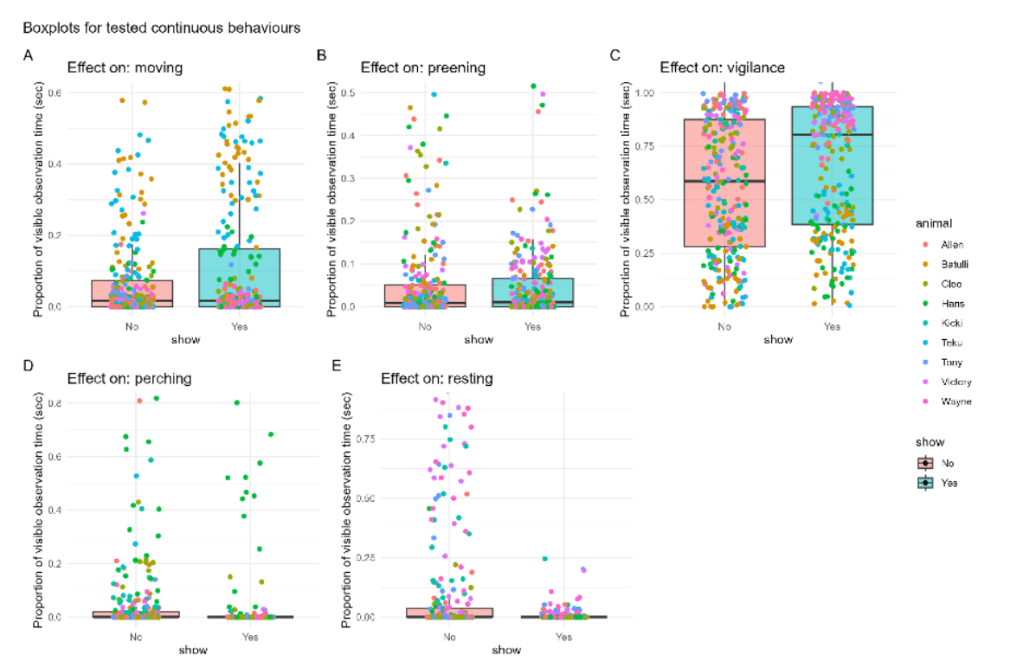
Photo – Saskia used box plots to record the data she spent months gathering on the 9 individual birds she studied. Some behaviours she studied to determine welfare were preening, moving, vigilance, perching and resting.
As another successful season in the Emerald Park Zoo ends, our Discovery and Learning Team Lead Michaela reflects on her experience this summer.
My name is Michaela, and this year I was given the opportunity to step up and become a Team Leader in the Discovery and Learning department. I started the season excited about the opportunity, but also unsure of myself and of what I would be capable of. Taking on a leadership role pushed me beyond what felt comfortable and challenged me to trust myself in situations I previously would have doubted myself in. By the end of the season, I realised that sometimes the biggest growth comes from simply being willing to step outside your comfort zone.
There were busy and challenging days, but I found that I enjoyed the responsibility that came with them. I learned how to deal with different situations, while still trying to make sure everyone felt part of the team. I became more confident in speaking up, making decisions and trusting my own judgement.
I also became very attached to the people I worked with. Spending so much time together, created a real sense of teamwork and friendship. I learned that the people around you can have a huge influence on your experience, and I was lucky to work with people who supported me and helped me grow.
Looking back now, this role assisted me to grow in so many ways. I came into the role not knowing exactly what to expect, and I left knowing that I could take on responsibility, deal with challenges and make a difference to the people around me. I learned that leadership isn’t about being perfect. It’s about being willing to learn, to support others and to keep going when things are difficult.
This season gave me memories, friendships and skills that I will carry with me into my future. It is more than just a job, this season helped me understand myself a little better and gave me confidence in what I can achieve. I am so grateful for Leah and Niamh for trusting me with this position, Dom and Charlotte for continuously supporting me throughout our shared experience of being team leads and a massive thank you to the entire Discovery and Learning Department, see you next season!!
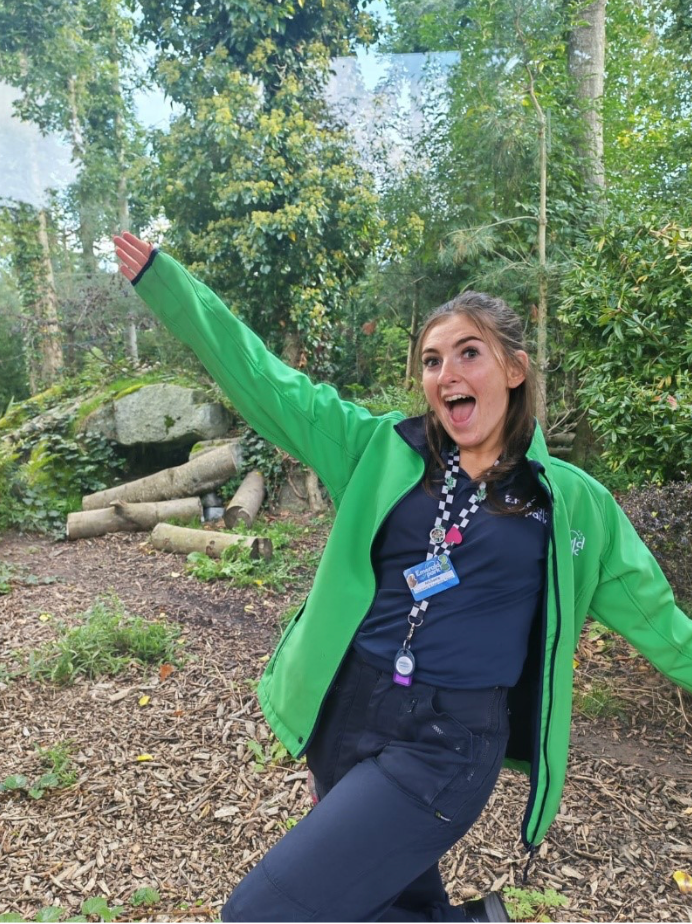
Photo – One of our 3 D&L Team Leads Michaela in front of our Bush Dog Habitat
Check back next month to see what the Zoo Team got up to in October!
Thanks for reading!